
Discover 21 interesting things to do in the Málaga region, from historic cities and white villages to beaches, mountain hikes, local food, and hidden gems.
I lived for 2.5 years in the Málaga region, and during that time, I did a fair share of traveling in and around this incredibly diverse corner of southern Spain.
If you think Malaga is just about beaches and resorts, you’re in for a surprise. In this blog post, I bring you 21 cool things to do in Málaga, Spain beyond the beach—from clifftop towns and white villages to historic trails, hidden eateries, and quiet winter escapes.
Let’s dive in!
1. Explore the historic heart of Málaga city
Start your trip in Málaga’s old town, where centuries of history come together within a few walkable blocks. Visit the Alcazaba, a Moorish fortress with gardens and city views, then walk down to the Roman Theatre just below it.
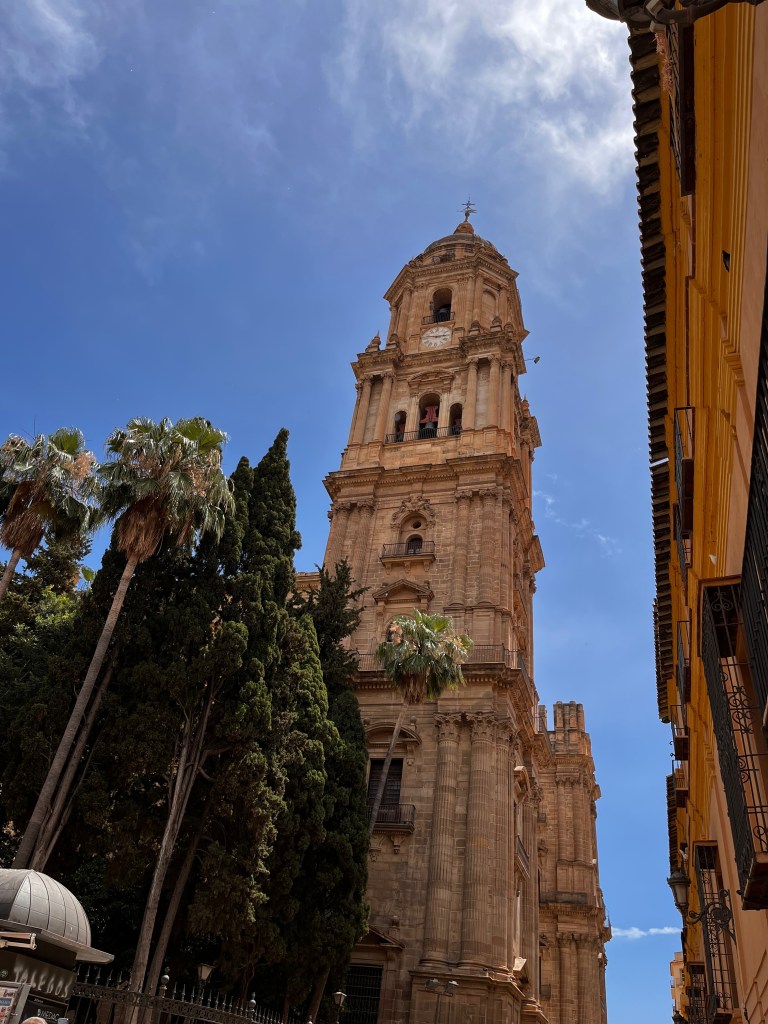

For even better views, hike up to Castillo de Gibralfaro, which overlooks the entire coastline and harbor. This area is also full of shaded plazas, local cafés, and narrow lanes perfect for wandering. It’s a great way to soak up the mix of old and new that defines the city.
2. Marvel at the Picasso museum and Picasso’s birthplace
Pablo Picasso was born in Málaga, and the city honors him with a world-class museum just steps from his childhood home. The Museo Picasso Málaga houses more than 200 works across his many styles and periods. The museum building itself is worth the visit, located in a 16th-century Andalusian palace.
A few blocks away, you can step inside the modest house where he was born, now a museum with photos, personal items, and context about his early life. It’s an easy way to connect the city to one of the 20th century’s greatest artists.
3. Stroll along Muelle Uno and the waterfront promenade
Muelle Uno is Málaga’s modern port area, lined with palm trees, open-air restaurants, art installations, and boutiques. Locals and visitors alike come here to walk, bike, or relax by the water.

You can grab ice cream or tapas while watching boats come in and out of the harbor. It’s especially beautiful in the late afternoon when the light hits the cathedral and port buildings just right. There’s even a branch of the Pompidou Centre here, marked by a colorful glass cube.
4. Day trip to Ronda and the iconic Puente Nuevo
Ronda is a stunning hilltop town about 90 minutes from Málaga, famous for its dramatic setting over a 120-meter-deep gorge. The Puente Nuevo bridge spans the canyon and offers unforgettable views of the cliffs and countryside.
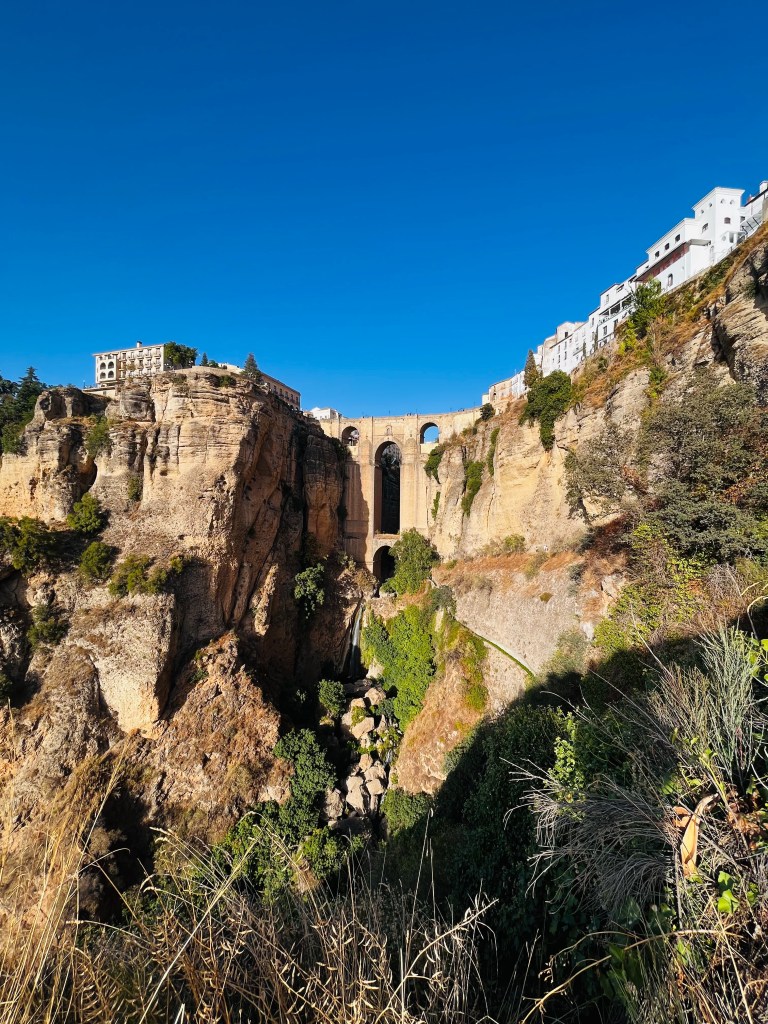
You can explore the old town, visit Arab baths, and enjoy a glass of local wine at a terrace overlooking the ravine. The town has a slower, old-world feel that contrasts beautifully with the coast. It’s one of the most rewarding day trips in the region.
5. Hike the Caminito del Rey
Once known as the most dangerous walkway in Europe, the Caminito del Rey has been completely restored into a safe but still thrilling experience. The trail hugs the cliffs of the Gaitanes Gorge, offering dizzying views of the canyon and river far below. It’s about 7 kilometers long and takes around 2–3 hours to complete.
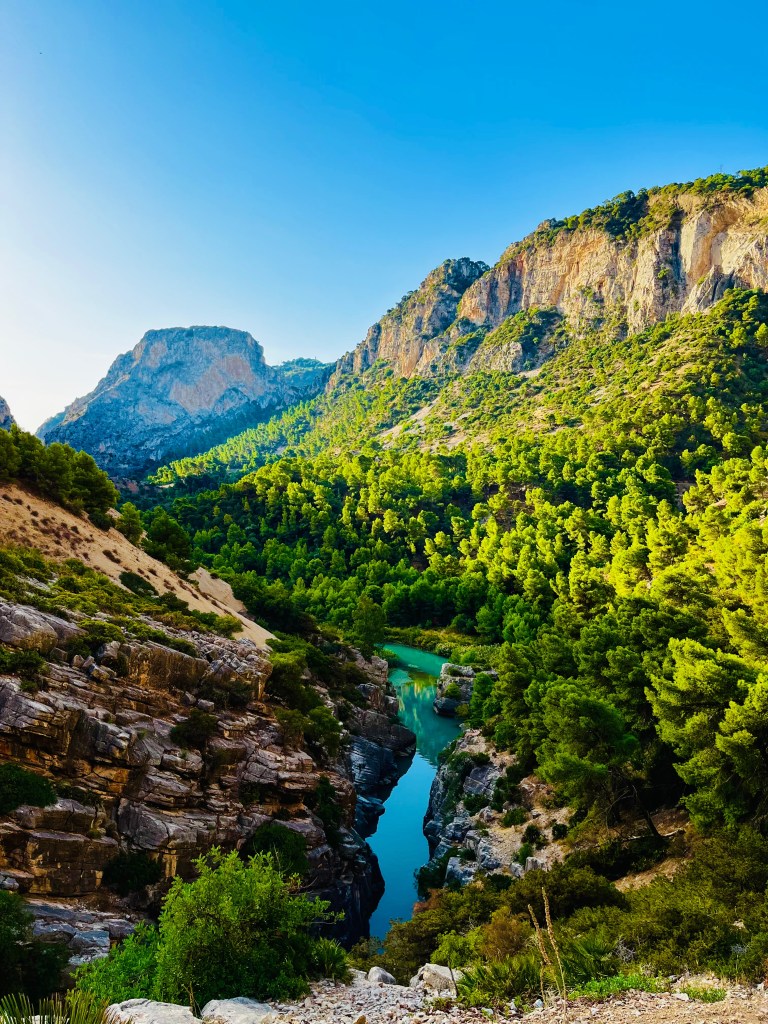
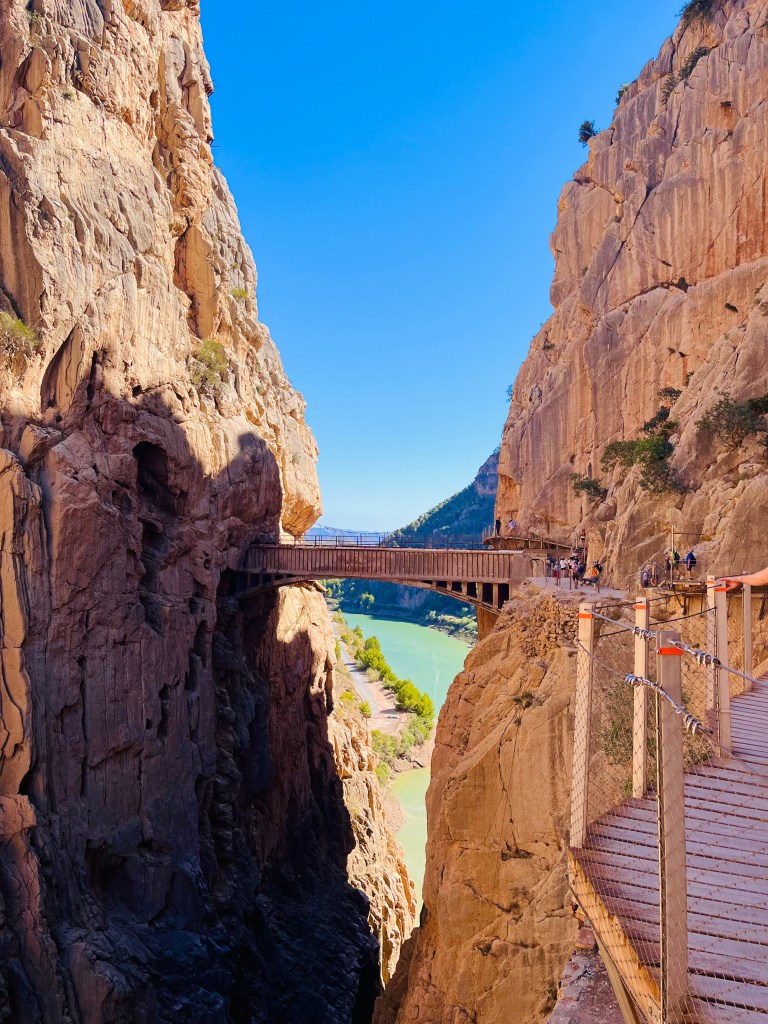
Along the way, you’ll cross hanging bridges and boardwalks bolted directly into the rock. Be sure to book your tickets in advance, as spots fill up quickly.
6. Soak up the sun on Nerja’s Burriana Beach
Burriana Beach is one of the most popular spots in the coastal town of Nerja, known for its soft sand, clear water, and laid-back atmosphere. It’s a great place to rent a sunbed, try some local seafood, or just relax with a book.
The beach is backed by a promenade with shops and restaurants, making it easy to spend a full day here. If you’re feeling active, you can rent kayaks or paddleboards to explore the nearby cliffs. It’s a classic Costa del Sol experience that doesn’t feel overly crowded or commercial.
7. Go kayaking from Maro Beach to the cliffs and waterfalls
Maro Beach, just east of Nerja, is one of the most scenic and unspoiled stretches of coastline in the region. From here, you can rent a kayak and paddle along dramatic cliffs, hidden coves, and even a small waterfall that flows into the sea.
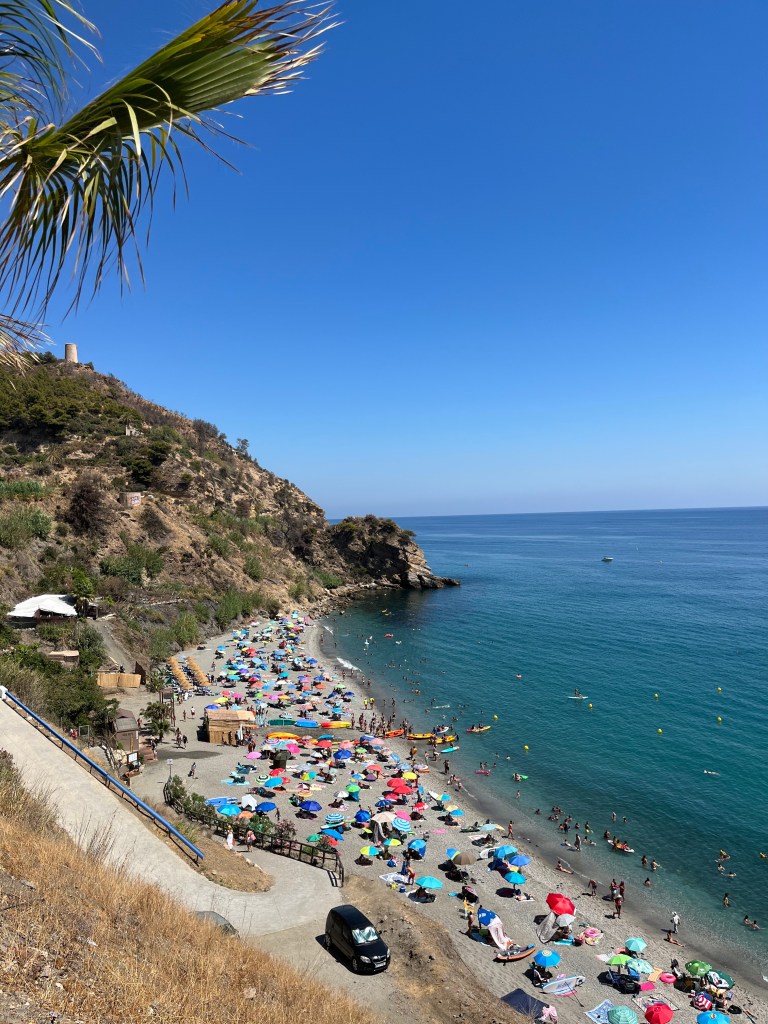
The water is crystal clear, and on calm days you can spot fish and underwater rock formations below. Guided tours are available if you want local insights or prefer a group experience. It’s an adventurous and peaceful way to explore a more natural side of the Costa del Sol.
8. Wander through the white village of Frigiliana
Often called one of the most beautiful villages in Spain, Frigiliana is a whitewashed hill town just a short drive from Nerja. Its steep, narrow streets are lined with potted plants, tiled mosaics, and hand-painted signs that tell stories of its Moorish past.
As you climb higher, the views stretch out toward the Mediterranean on one side and the mountains on the other. Small shops sell local honey, olive oil, and ceramics, making it a great place to pick up souvenirs. It’s an ideal afternoon trip if you want to escape the busier coastal towns.
9. Try espetos in Pedregalejo
Espetos (grilled sardines cooked over an open fire) are a Málaga specialty, and there’s no better place to try them than the beachfront neighborhood of Pedregalejo. This former fishing village has retained its local feel, with rows of simple chiringuitos (beach bars) just steps from the water.
You’ll see the sardines skewered on sticks and grilled in old fishing boats filled with coals. Pair them with a cold beer and watch the sun set over the sea for a truly local experience. It’s casual, affordable, and full of flavor.
10. Relax in the thermal waters of Carratraca
Tucked into the mountains north of Málaga, the village of Carratraca is known for its natural sulfur-rich thermal springs. The town has long been a wellness destination, and today you can still enjoy its 19th-century spa facilities, complete with marble tubs and arched stone ceilings.
The experience is peaceful and atmospheric, offering a different kind of Andalusian charm. It’s a great option if you’re looking for something off the beaten path. After your soak, take a stroll through the village and enjoy the mountain views.
11. Go wine tasting in the Axarquía region
The Axarquía region, just inland from the coast, is known for its steep hills, winding roads, and centuries-old vineyards. This is where Málaga’s famous sweet Muscat wines are made, but you’ll also find dry whites and robust reds in small family-run bodegas.
Many offer tastings and tours, often paired with local cheese, olives, or almonds. The scenery alone makes the trip worthwhile, especially if you’re driving through the mountain villages. It’s a great way to slow down and discover the region’s agricultural roots.
12. Discover Antequera’s dolmens and El Torcal
Antequera is home to some of Spain’s most fascinating prehistoric monuments—massive stone dolmens that date back over 5,000 years and are now a UNESCO World Heritage Site. Nearby, El Torcal Natural Park offers one of the most surreal landscapes in Andalusia, with limestone rock formations that look almost otherworldly.
You can hike through the park on marked trails that range from easy loops to more rugged paths. Combined, these two sites make for an adventurous and educational day trip. It’s perfect for travelers who love geology, history, or just being somewhere completely unique.
13. Take a tapas tour through Málaga old town
Málaga is a fantastic city for food lovers, and there’s no better way to experience it than through a tapas crawl. Start around Calle Granada or Plaza de la Merced, where traditional taverns sit alongside more modern spots.
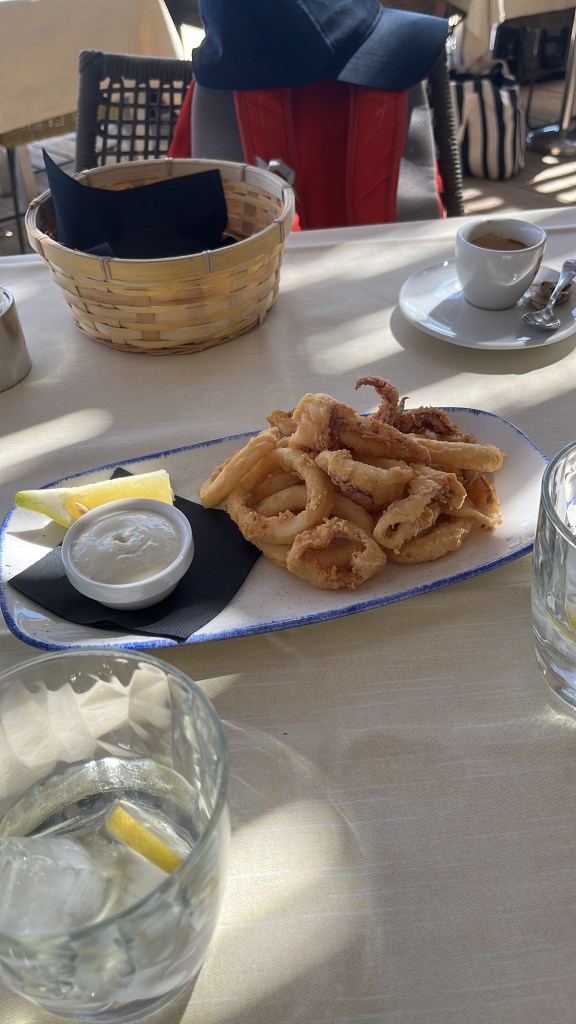
Order small plates of grilled octopus, Iberian pork, or local cheeses, and don’t forget a glass of vermouth or a chilled white from nearby vineyards. The vibe is casual and social, and hopping from one place to another is part of the fun. You’ll get a deeper sense of local flavors and customs along the way.
14. Visit the Balcony of Europe in Nerja
The Balcony of Europe is one of the most iconic viewpoints on the Costa del Sol, offering wide-open views of the Mediterranean from a dramatic stone promenade.
It was named by King Alfonso XII, who was so struck by the view that he declared it “the Balcony of Europe” after an earthquake destroyed the original fortress. Today, it’s a lovely place to walk, take photos, or enjoy street performers and cafés nearby. It’s also a great central spot for exploring Nerja’s old town. Come early in the morning or at sunset for the best light and fewer crowds.
15. Drive the Route of the White Villages
The Ruta de los Pueblos Blancos (Route of the White Villages) winds through the mountains northwest of Málaga, connecting dozens of postcard-perfect towns with whitewashed houses and terracotta roofs. Villages like Casares, Mijas, and Gaucín are perched on hillsides with incredible views and quiet streets full of local charm.
It’s best explored by car over a day or two, with stops for lunch, photos, and short hikes. Each village has its own personality, from arty and bohemian to rustic and remote. It’s an ideal mini road trip if you want to experience the soul of inland Andalusia.
16. Tour the olive oil mills in the Guadalhorce Valley
Just inland from Málaga, the Guadalhorce Valley is filled with olive groves that produce some of the best extra virgin olive oil in Andalusia. Many small, family-run mills offer tours where you can see the traditional pressing methods and taste the oils straight from the source.
The landscape is peaceful and rural, with rolling hills and citrus trees dotting the roadsides. It’s an easy day trip by car and a great way to learn more about the region’s agricultural heritage. Bring home a bottle or two—this is liquid gold with a story behind it.
17. Attend a local festival (feria)
If you’re in the Málaga region during summer or early autumn, don’t miss the chance to experience a feria, the lively local festivals that take over towns with dancing, music, food, and parades. The biggest is the Feria de Málaga in August, but smaller towns like Estepona, Vélez-Málaga, and Ronda have their own colorful celebrations.
Women wear traditional flamenco dresses, horses parade through the streets, and pop-up bars serve fino sherry and tapas late into the night. It’s loud, joyful, and incredibly welcoming. Check local calendars ahead of time to catch one during your visit.
18. Visit Marbella’s old town in winter for a cool, quiet vibe
Marbella may be famous for its glitzy summer scene, but its old town in winter is a hidden gem. With fewer tourists and milder weather, the cobblestone streets, flower-draped balconies, and orange tree-lined plazas feel more peaceful and authentic.
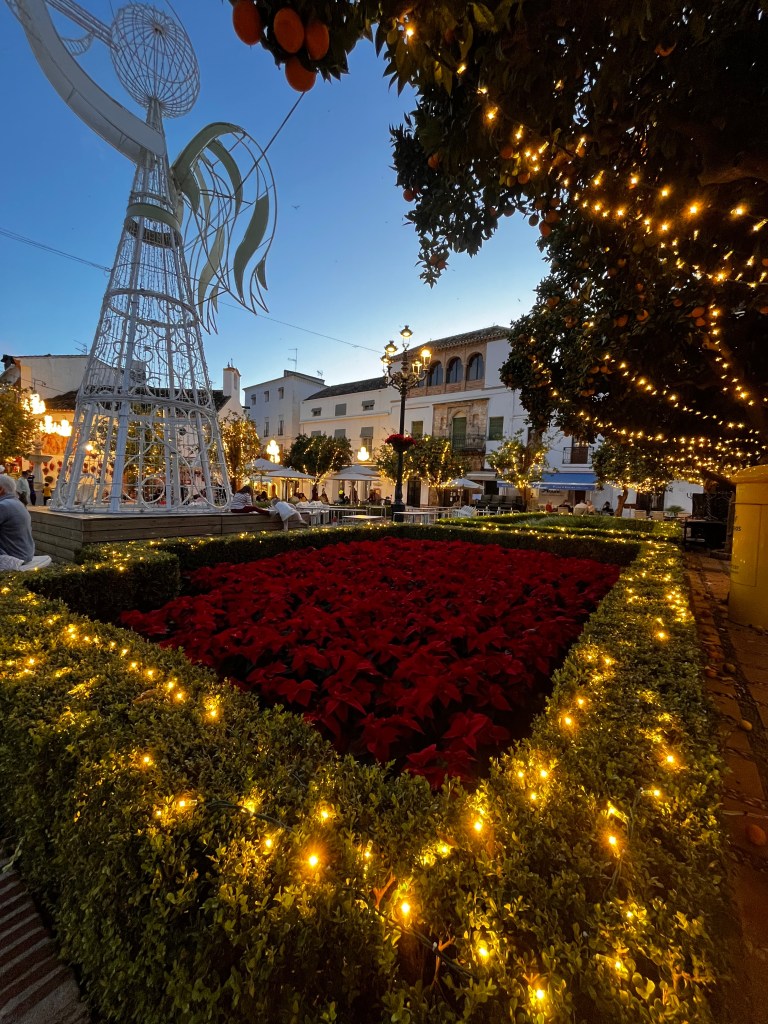
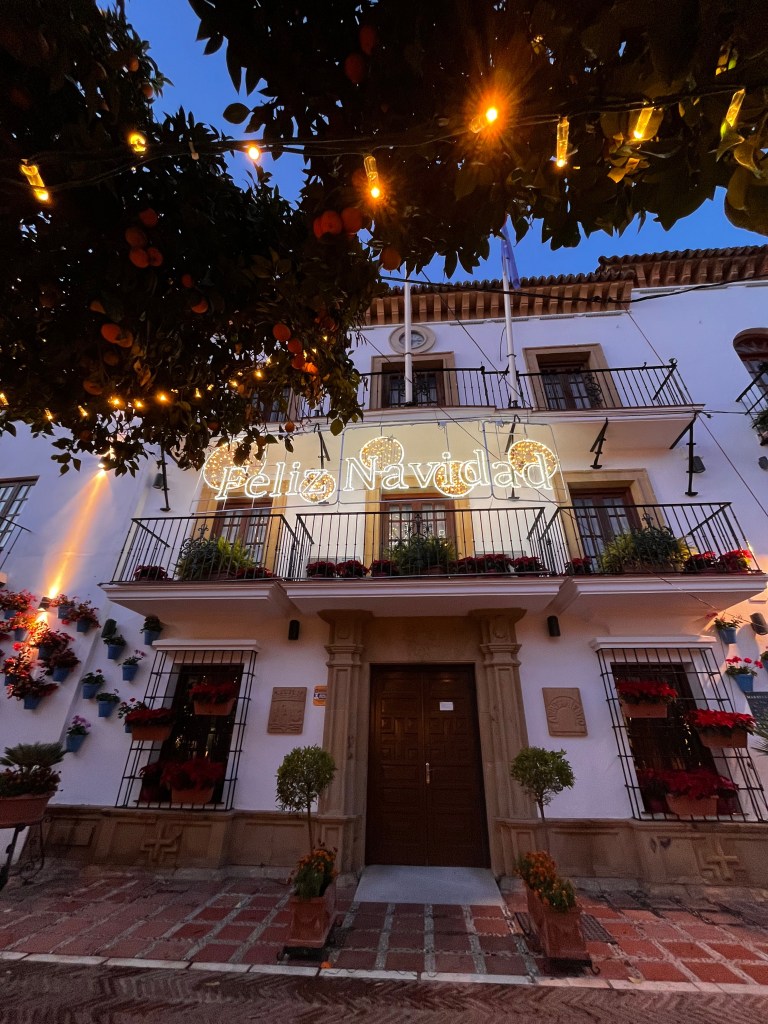
Boutique shops and tapas bars stay open year-round, and you can enjoy it all without the crowds. It’s a great time to slow down, wander aimlessly, and see a different side of this usually high-profile destination.
19. Take a boat tour to see dolphins from Benalmádena or Fuengirola
Several operators run dolphin-spotting boat tours from the marinas of Benalmádena and Fuengirola, heading out into the warm waters of the Mediterranean. You’ll have a good chance of seeing common and bottlenose dolphins, especially on calm days.
Most tours last about two hours and include time for swimming or relaxing on deck. It’s a great option for families, couples, or anyone looking for a different view of the coast. Book ahead in summer as tours can fill up fast.
20. Hike the Sierra de las Nieves National Park
This stunning natural park northwest of Málaga offers high mountain peaks, shaded pine forests, and deep ravines to explore. The park is a UNESCO Biosphere Reserve and home to native species like the Spanish fir and mountain goats.
Hiking trails vary from easy to challenging, so you can choose based on your fitness and time. It’s especially beautiful in spring and autumn when the temperatures are cooler and the landscape is lush. Pack water, snacks, and a camera—this is one of the wildest and most rewarding places in the region.
21. Watch the sunset from Castillo de Colomares in Benalmádena
This fairytale-like monument was built in the 1990s to honor Christopher Columbus and is one of the most unusual sights in the area. With a mix of architectural styles and intricate stonework, Castillo de Colomares feels like something out of a storybook. It’s relatively quiet compared to nearby attractions and offers panoramic views over the coast.
Time your visit for golden hour and watch the sun dip into the Mediterranean from the castle grounds. It’s a peaceful and unique way to end your day in the Malaga region.
❓FAQs
Can you go to the beach in Málaga in December?
Yes, you can go to the beach in December, but it’s more for sunbathing than swimming. While daytime temperatures often reach 16–20°C (60–68°F), the sea is usually too cold for most people to swim. Still, it’s a great time for beach walks, relaxing in the sun, or enjoying a seaside meal without the summer crowds.
What do people wear in Málaga in winter?
Winters in Málaga are mild, so locals tend to wear layers like jeans, light sweaters, and a medium jacket. During the day, you might be comfortable in just a long-sleeve shirt, but it cools down in the evenings. Stylish but practical footwear is common, especially for walking on cobbled streets.
Is Málaga good for couples?
Absolutely. Málaga offers a great mix of romantic activities, like sunset walks on the beach, wine tasting in the hills, exploring old towns, and sharing tapas in cozy local bars. Whether you’re into nature, food, or just relaxing by the sea, it’s a destination that suits couples well.
What to see in a day in Málaga?
If you only have one day in Málaga city, start with a visit to the Alcazaba and the Roman Theatre to take in the history and views. Then stroll through the old town, stopping for lunch and a look at the cathedral. In the afternoon, head to Muelle Uno or the beach promenade for a sunset walk and dinner by the water.
What is Málaga best known for?
Málaga is best known for its beautiful beaches, sunny climate, and rich cultural history. It’s the birthplace of Pablo Picasso and home to several museums, historic Moorish architecture, and a thriving tapas and wine scene. It’s also a perfect base for exploring Andalusia’s white villages and natural parks.
Is Málaga worth visiting in winter?
Yes, winter is one of the best times to visit Málaga if you prefer fewer tourists, mild temperatures, and lower prices. You’ll still get plenty of sun, and it’s easier to explore towns, hike, and enjoy cultural sites without the heat or crowds.
Do people speak English in Málaga?
While it’s useful to learn a few basic Spanish phrases, English is widely understood in Málaga, especially in tourist-friendly areas like the city center, coastal towns, and major attractions.
Most people working in hotels, restaurants, and shops speak at least conversational English. In smaller inland villages or more rural parts of the region, Spanish is more common, but locals are usually friendly and helpful even with a language gap.
Málaga is a great region to visit year-round
If you’re heading to southern Spain, the Málaga region is one of the most rewarding areas to explore. This list gives you a mix of the iconic, the underrated, and the unexpected. Whether you’re a foodie, nature lover, or history buff, there’s something here for you.
¡Hasta luego! 👋🏻
 sloly travel | travel slower. discover deeper.
Leave a comment