
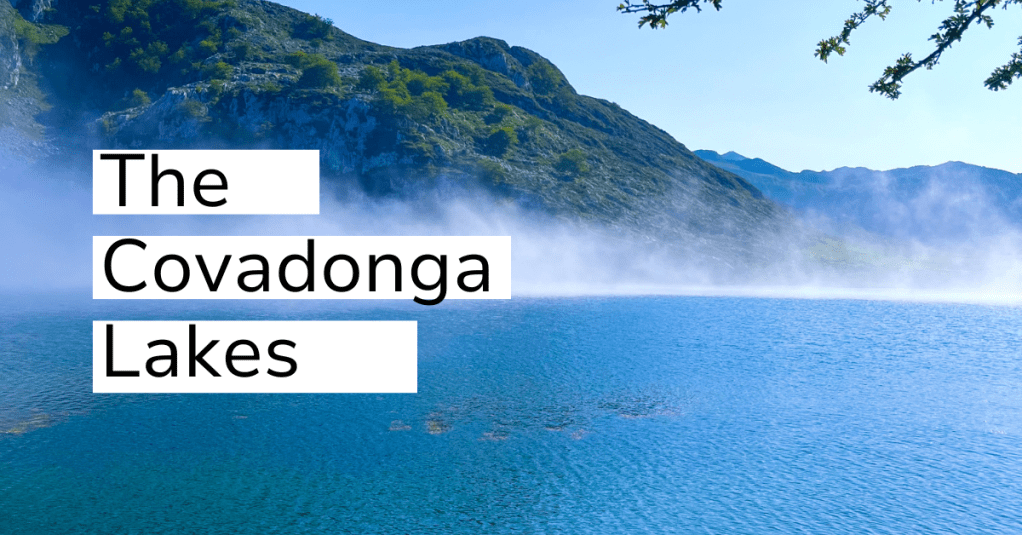
The Covadonga Lakes in Asturias are among northern Spain’s top natural spots. Read this guide to get hiking tips, shuttle bus info, and the best time to visit.
For most of my life, I thought the south of Spain was the best part.
I always went there for holidays, so I kind of just assumed that’s what Spain was all about. But a couple of years ago, something shifted. I started getting curious about the north. And last year, after living in Spain for over five years, I finally visited Asturias.
The first place I had to see? The Lakes of Covadonga 🏞️. The trip was a total success, so I’m sharing everything you need to know about planning a perfect day visiting these magical lakes in Asturias!
First things first, what are the Lakes of Covadonga?
The Lakes of Covadonga are a group of glacial lakes located in the Picos de Europa National Park in northern Spain, near the town of Cangas de Onís in Asturias. They sit in the mountains at about 1,000 meters above sea level and are one of the most popular natural attractions in the region.
The main lakes include:
- Lake Enol – the larger and more accessible lake
- Lake Ercina – smaller, quieter, and slightly higher up
- Lake Bricial – visible only during rainy seasons when it fills up
How to get to the Lakes of Covadonga
Getting to the Lakes of Covadonga is pretty straightforward, but there are a few things to know before you go, especially depending on the time of year.
By car
You can drive up from Cangas de Onís, and it takes about 40–45 minutes. The road is narrow and winding but scenic. However, in high season (usually from spring to early autumn), private vehicles aren’t allowed to go all the way up during most of the day.
By shuttle bus (the best option)
When car access is restricted, a well-organized shuttle bus service runs from several designated parking areas near Cangas de Onís. It’s affordable, runs frequently, and takes you right up to the lakes.
We parked at the El Bosque lot (one of three pickup spots along the road from Cangas de Onís) and caught the ALSA shuttle for a 9 € round‑trip ticket per adult (children 3–12 pay 3.50 €, under 3 ride free).
Tickets must be reserved online via Alsa’s website or purchased at the parking kiosks before boarding. Buses run frequently—typically every 30 minutes—from about 8 AM until late afternoon, depending on the season. The shuttle stops at El Bosque (where we boarded), Muñigo, El Repelao, the Covadonga sanctuary, and finally the lakes.
| Season | First departure | Last bus up | Last bus down |
| April 5 – September 30 | 8:00 AM | 5:45 PM | 8:50 PM |
| October 1 – December 8 | 8:00 AM | 4:00 PM | 7:05 PM |
💡Tip: Always check the access schedule via official channels, especially in summer or during public holidays, as restrictions can change based on the season.
By tour
If you’re staying nearby, many local companies offer guided tours that include transportation, which is a good option if you don’t want to deal with logistics.
On foot or by bike
If you’re feeling adventurous and fit, the route is also popular with hikers and cyclists, but it’s a serious climb with lots of elevation.
What to see and do at the lakes
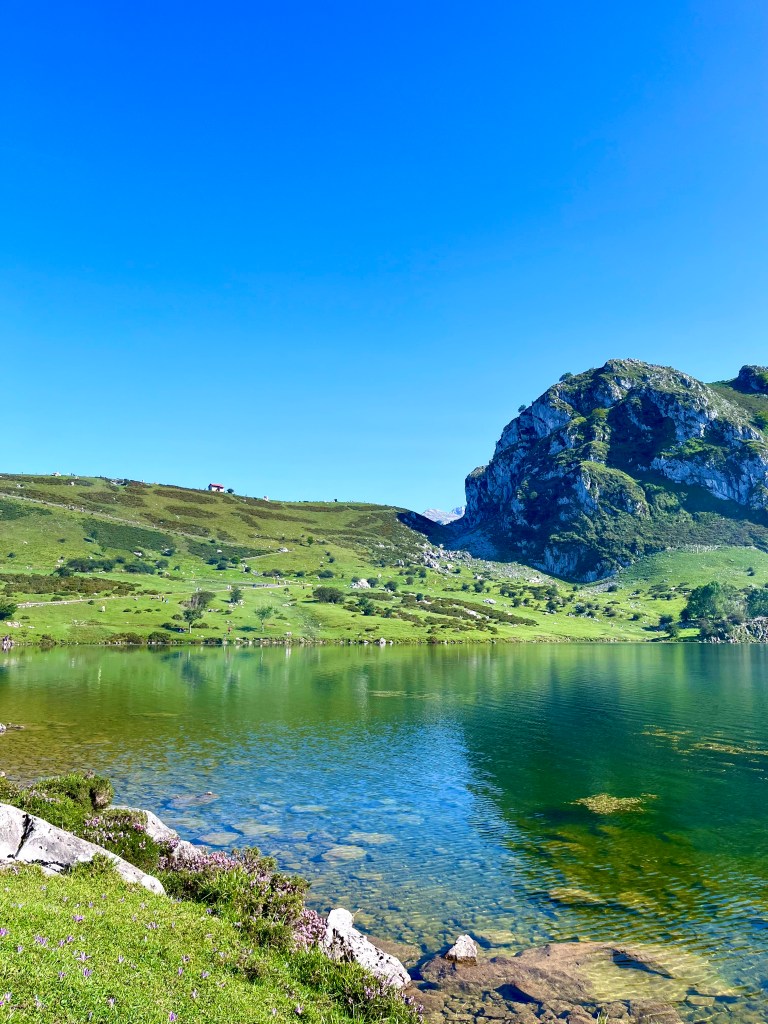
Once we arrived at the Lakes of Covadonga, we instantly understood what all the hype was about. The fresh mountain air, the peaceful sound of cowbells in the distance, and the wide-open views of Lake Enol surrounded by misty peaks—it all felt like stepping into a postcard.
Here are the things we recommend you do:
Walk the loop trail
Hiking is one of the best ways to truly experience the beauty of the Lakes of Covadonga, and the area is full of accessible, scenic trails. The most popular option is a circular route that connects Lake Enol and Lake Ercina—perfect for soaking in the alpine landscape without needing serious hiking experience.
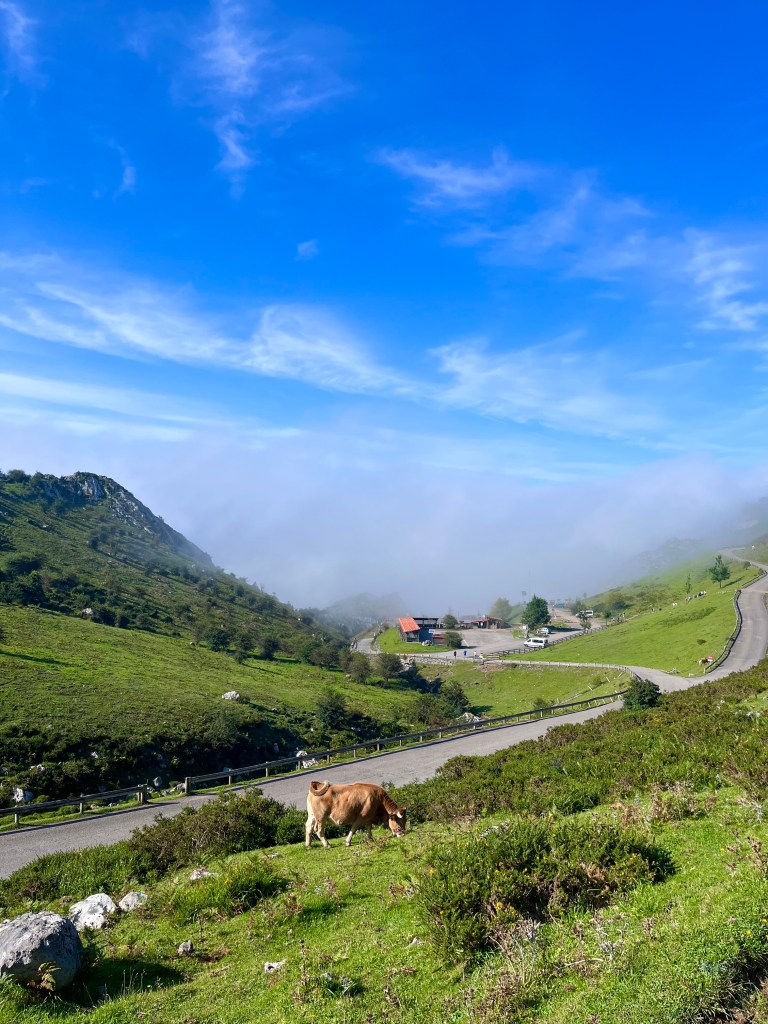
We followed this exact route using Wikiloc, and it turned out to be the perfect balance of nature, ease, and views. The trail was about 5.8 km (3.6 miles) long, with an elevation gain of around 417 ft (127 m), and it took us roughly two hours with plenty of time for photos, short stops, and just looking around in awe. Despite the moody weather and a bit of fog, the trail was well-marked and peaceful.
Visit the Buferrera mines
Near Lake Ercina, you’ll find the remains of the Buferrera mines, once used to extract iron and manganese. There are signs along the path explaining its history, and it makes for an interesting stop on your walk. The contrast between this old industrial site and the pristine natural surroundings is striking.
Relax and enjoy the views
You don’t need to hike to enjoy the lakes. Find a rock, a bench, or a grassy patch and just sit. Watch the clouds drift over the peaks, listen to the cowbells in the distance, and soak it all in.
Grab a bite after the hike
There are a couple of spots near the lakes where you can get something to eat or drink without heading all the way back down. Merendero de los Lagos, located near Lake Enol, serves traditional Asturian food like fabada asturiana (a rich bean stew with sausage) and cachopo (breaded veal stuffed with ham and cheese). They also have a few vending machines just outside—handy if you want to grab a quick drink or snack without sitting down.
Restaurante María Rosa, just above Lake Ercina, is another option if you’re in the area after finishing the trail.
If you’re heading down toward the Covadonga Sanctuary or back to Cangas de Onís, you’ll also find more dining options along the way. Or, if you prefer to keep things simple, bringing a picnic to enjoy by the lake is always a good idea.
When is the best time to visit Covadonga Lakes?
The best time to visit the Lakes of Covadonga is late spring or early autumn—specifically May, June, or late September. During these months, the landscape is lush, the trails are peaceful, and the weather is generally mild, though still unpredictable. Summer (July–August) offers the most stable weather but also brings larger crowds. Winter can be beautiful and atmospheric, but access is often limited due to snow or fog, and conditions can change quickly.
What to know before you go (that no one really tells you)
A visit to the Lakes of Covadonga is fairly straightforward, but a few smart tips can make your trip smoother:
- Buy shuttle tickets in advance on the ALSA website to avoid queues and guarantee your spot.
- Dress in layers. The weather can change quickly, even in summer. It’s often cooler and windier at the lakes than down in the towns.
- Wear proper shoes. Even the main loop trail can be uneven or muddy in parts.
- Bring water, snacks, and sun protection. There’s limited shade on the trails, so sunscreen, a hat, and sunglasses are a must in summer.
- Have some cash on you. While restaurants did accept card payments when we visited, it’s still a good idea to carry a bit of cash—there are no ATMs around (you are in the middle of nature, after all!).
- Be prepared for bad phone signal: Depending on your provider, the phone signal can be spotty, so if you want to use maps (though all the main trails are marked), you best download the offline maps.
🛏️ Where to stay near the Lakes of Covadonga
Cangas de Onís
The most popular base, just 30 minutes from the lakes by car or shuttle.
- Budget: Hotel La Balsa – simple, cozy, and around €55–60/night.
- Mid-range: Hotel Los Lagos Nature – central, charming, and around €80/night.
- Higher-end: Parador de Cangas de Onís – historic and scenic riverside stay from €150+.
Covadonga
Much smaller and quieter, but very close to the sanctuary and shuttle bus stops.
- Budget: Hotel El Repelao – rustic charm just a short walk from the sanctuary. From €75/night.
- Mid-range: Gran Hotel Pelayo – next to the Covadonga Sanctuary, rooms with mountain views. Rates between €75 and €200/night.
FAQs about the visit to the lakes
Can you swim in the Covadonga Lakes?
No—swimming is strictly prohibited. The lakes are part of a protected ecosystem in the Picos de Europa National Park. Entering the water, even just to wade or cool off, can disturb wildlife and damage delicate habitats. It’s best to enjoy the views from the trails and shorelines.
Are Covadonga Lakes suitable for kids?
Yes, it’s a great spot for families. The main loop trail is short and easy to follow, with minimal elevation. Kids love seeing the cows and horses up close, and there’s plenty of open space to roam. Just be sure to bring proper footwear, sun protection, and layers in case the weather turns chilly.
Is Covadonga worth visiting?
Definitely. The landscape alone is stunning, but the area also has deep cultural and historical value. The sanctuary and lakes feel peaceful and timeless, and the trip offers a perfect blend of nature, history, and small local eateries.
What happened in Covadonga?
Covadonga is where the first Christian victory against the Moors occurred in the early 700s, led by Pelayo. It marked the symbolic beginning of the Reconquista. Today, it’s seen as the birthplace of Christian Spain and a powerful icon of Asturian pride and resistance. The sanctuary honors this legacy.
What are the average summer temperatures in Covadonga Lakes?
Temperatures in July and August typically range from 15–22°C (59–72°F), but it can feel cooler with wind or fog. Unlike much of Spain, this region stays relatively mild in summer. Weather can shift quickly in the mountains, so dress in layers and always check the forecast before heading up.
How long should you spend at the Lakes of Covadonga?
Most visitors spend 2 to 4 hours at the lakes. That gives you enough time to walk the main loop trail, take in the views, and stop for photos or a picnic. If you’re planning a relaxed visit or want to explore nearby spots like the Buferrera Mine, allow closer to half a day.
Wrapping up
Our visit to the Lakes of Covadonga was definitely a super memorable experience. The scenery was stunning, and walking the loop trail was the perfect way to take it all in.
If you’re thinking of visiting Asturias, I’ve got a 7-day itinerary for the best spots and activities in the region. Make sure to check it out!
¡Hasta luego! 👋🏻

 sloly travel | travel slower. discover deeper.
Leave a comment